Traditional medicine continues to play a central role in the health practices of rural Ethiopian communities, where access to biomedical services is often limited and cultural traditions remain strong. The reliance on herbal remedies, ritual healing, and indigenous diagnostic methods reflects centuries of accumulated knowledge passed through oral traditions and apprenticeship systems. In many villages, plants such as Artemisia abyssinica and Croton macrostachyus are used to treat malaria and gastrointestinal disorders, while spiritual rituals address conditions believed to be linked to social or supernatural causes. The persistence of these practices is not only a matter of necessity but also of identity, as healing is closely tied to community values and religious beliefs. Research indicates that traditional healers occupy respected positions within rural society, often serving as the first point of contact for patients with common illnesses. Their treatments are shaped by ecological knowledge of local plants, as well as symbolic interpretations of illness that differ from biomedical frameworks. While modern health services have expanded in Ethiopia, rural populations continue to rely on traditional medicine for conditions such as respiratory infections, maternal health problems, and childhood fevers. This reliance raises important questions about safety, efficacy, and the potential for collaboration between traditional and biomedical systems. The article examines the historical roots of Ethiopian traditional medicine, the types of illnesses managed through indigenous practices, and the role of healers in sustaining community health. It also considers the interaction between traditional and modern healthcare, highlighting both tensions and opportunities for integration. Through case studies and ethnographic accounts, the discussion situates traditional medicine within broader debates about cultural continuity, medical pluralism, and rural health strategies in Africa.
This is an Open Access article, distributed under the terms of the Creative Commons Attribution 4.0 International License (http://creativecommons.org/licenses/by/4.0/), which permits unrestricted use, distribution and reproduction in any medium or format, provided the original work is properly cited.
Traditional Medicine, Ethiopia, Rural Health, Indigenous Healing, Common Illnesses, Medical Pluralism, Ethnobotany
1. Introduction
Traditional medicine in Ethiopia has a long and continuous history, rooted in indigenous knowledge systems that have been transmitted across generations. Oral traditions, apprenticeship models, and religious practices have shaped the ways in which communities understand illness and healing. Historical accounts suggest that herbal remedies and ritual healing were already widespread during the Axumite period, with written records and oral narratives pointing to the use of medicinal plants and spiritual practices in daily life
[3]
Pankhurst, R. (1990). An introduction to the medical history of Ethiopia. Trenton, NJ: Red Sea Press.
[14]
Pankhurst, R. (1990). A Social History of Ethiopia: The Northern and Central Highlands from Early Medieval Times to the Rise of Emperor Tewodros II. Ohio University Press.
[3, 14]
. The persistence of these practices reflects not only the limited reach of biomedical services in rural areas but also the cultural value attached to healing methods that are considered both familiar and trustworthy
[19]
Legesse, F. M., & Babanto, A. M. (2023). Factors Associated With the Use of Traditional Medicine in Wolaita Zone, Southern Ethiopia. Sage Open, 13(1).
The cultural significance of traditional medicine in Ethiopia is closely tied to community identity and social cohesion. Healing is not viewed solely as a biological process but as one that involves spiritual, social, and moral dimensions
[17]
Vecchiato, N. L. (1993). Traditional medicine. In P. H. Kloos (Ed.), Health and disease in Ethiopia (pp. 119-132). Westview Press.
[17]
. In many rural settings, illness is interpreted through frameworks that connect the body to the environment and the community, with causes often linked to spiritual imbalance, social conflict, or ancestral displeasure
[2]
Kloos, H. (1976). Traditional medicine in Ethiopia: The role of traditional healers in health care. Ethiopian Medical Journal, 14(3), 117–133.
[2]
. Traditional healers, therefore, serve roles that extend beyond medical treatment. They act as custodians of cultural knowledge, mediators of social disputes, and spiritual guides
[18]
Young, A. (1975). Magic as a "quasi-profession": The organization of magic and magical healing among Amhara. Ethnology, 14(3), 245-265.
[18]
. Their authority is reinforced by the trust placed in them by patients who often seek their services before turning to modern health facilities.
The role of traditional medicine in rural health systems remains significant, particularly in areas where access to hospitals and clinics is limited. Studies have shown that a majority of rural households rely on herbal remedies and indigenous practices for common illnesses such as malaria, gastrointestinal infections, and respiratory conditions
[1]
Abebe, D. (1986). Traditional medicine in Ethiopia: The attempt being made to promote it for effective and better utilization. Addis Ababa: Ethiopian Ministry of Health.
[7]
Gedif, T., & Hahn, H. J. (2003). The use of medicinal plants in self-care in rural central Ethiopia. Journal of Ethnopharmacology, 87(2-3), 155-161.
[1, 7]
. The reliance on local plants and healing rituals is not simply a matter of convenience but reflects a system of knowledge that is deeply embedded in the ecological and cultural context of rural Ethiopia. Traditional healers often possess detailed knowledge of local flora, including preparation methods and dosage, which they transmit through apprenticeship and practice
[5]
Abebe, D., & Ayehu, A. (1993). Medicinal plants and enigmatic health practices of Northern Ethiopia. B.S.P.E.
[8]
Giday, M., Asfaw, Z., Elmqvist, T., & Woldu, Z. (2003). An ethnobotanical study of medicinal plants used by the Zay people in Ethiopia. Journal of Ethnopharmacology, 85(1), 43-52.
[5, 8]
. This knowledge is highly localized, with variations across regions depending on the availability of plants and the influence of local traditions
[10]
Lulekal, E., Kelbessa, E., Bekele, T., & Yineger, H. (2008). An ethnobotanical study of medicinal plants in Mana Angetu District, southeastern Ethiopia. Journal of Ethnobiology and Ethnomedicine, 4(1), 10.
[16]
Teklehaymanot, T., & Giday, M. (2007). Ethnobotanical study of medicinal plants used by people in Zegie Peninsula, Northwestern Ethiopia. Journal of Ethnobiology and Ethnomedicine, 3(1), 12.
[10, 16]
.
Government reports and ethnographic studies indicate that traditional medicine continues to play a vital role in the health-seeking behavior of rural populations, despite the expansion of modern healthcare infrastructure
[3]
Pankhurst, R. (1990). An introduction to the medical history of Ethiopia. Trenton, NJ: Red Sea Press.
[6]
Bishaw, M. (1991). Promoting traditional medicine in Ethiopia: A brief historical review of government policy. Social Science & Medicine, 33(2), 193-200.
[3, 6]
. In many cases, patients combine traditional and biomedical treatments, moving between systems depending on the nature of the illness, the perceived cause, and the accessibility of services
[15]
Slikkerveer, L. J. (1990). Plural medical systems in the Horn of Africa: The legacy of "sheikh" Hippocrates. Kegan Paul International.
[15]
. This pattern reflects the resilience of traditional medicine and its ability to remain relevant in changing social and economic conditions. The article situates this discussion within the broader historical and cultural framework of Ethiopia, highlighting the ways in which traditional medicine contributes to the management of common illnesses in rural communities.
2. Historical Context of Traditional Medicine in Ethiopia
The history of traditional medicine in Ethiopia is deeply tied to the country’s diverse cultural heritage and ecological environment. Indigenous practices have been shaped by centuries of interaction between local communities, their surrounding landscapes, and religious traditions
[13]
Pankhurst, R. (1968). Economic History of Ethiopia, 1800-1935. Haile Sellassie I University Press.
[13]
. Healing knowledge has long been transmitted orally, often through apprenticeship systems where younger generations learn directly from experienced healers
[12]
Pankhurst, R. (2001) The Status and Availability of Oral and Written Knowledge on Traditional Health Care. In: Medhin, Z. and Abebe, D., Eds., Conservation and Sustainable Use of Medicinal Plants in Ethiopia. Proceedings of the National Workshop on Biodiversity Conservation and Sustainable Use of Medicinal Plants in Ethiopia, IBCR, Addis Ababa, 92-106.
[12]
. This oral transmission has preserved a wide range of practices, from herbal remedies to ritual healing, and has allowed them to remain central to rural life even as modern biomedical systems expanded in the twentieth century
[3]
Pankhurst, R. (1990). An introduction to the medical history of Ethiopia. Trenton, NJ: Red Sea Press.
[3]
. The continuity of these practices reflects both necessity, given the limited reach of hospitals in rural areas, and cultural attachment to methods that are considered trustworthy and familiar.
Figure 1. A typical rural village in the Ethiopian highlands, where traditional medicine is deeply integrated into daily life and social cohesion. Access to modern healthcare facilities in such areas is often limited.
Indigenous practices are rooted in the careful observation of plants, animals, and the environment. Ethnobotanical studies have documented the use of hundreds of plant species for medicinal purposes, with remedies tailored to local conditions and illnesses
[1]
Abebe, D. (1986). Traditional medicine in Ethiopia: The attempt being made to promote it for effective and better utilization. Addis Ababa: Ethiopian Ministry of Health.
[5]
Abebe, D., & Ayehu, A. (1993). Medicinal plants and enigmatic health practices of Northern Ethiopia. B.S.P.E.
[1, 5]
. Knowledge of preparation, dosage, and application is passed down through generations, often accompanied by ritual elements that reinforce the healer’s authority
[4]
Abbink, J. (1995). Medicinal and ritual plants of the Ethiopian Southwest: an account of recent research. Indigenous Knowledge and Development Monitor, 3(2), 6-8.
[4]
. Oral traditions play a crucial role in this transmission, as stories, proverbs, and symbolic narratives are used to explain the causes of illness and the logic of treatment
[12]
Pankhurst, R. (2001) The Status and Availability of Oral and Written Knowledge on Traditional Health Care. In: Medhin, Z. and Abebe, D., Eds., Conservation and Sustainable Use of Medicinal Plants in Ethiopia. Proceedings of the National Workshop on Biodiversity Conservation and Sustainable Use of Medicinal Plants in Ethiopia, IBCR, Addis Ababa, 92-106.
[12]
. These narratives often link illness to social or spiritual imbalance, reflecting a worldview in which health is inseparable from community and environment
[2]
Kloos, H. (1976). Traditional medicine in Ethiopia: The role of traditional healers in health care. Ethiopian Medical Journal, 14(3), 117–133.
[2]
.
Religious influences have also shaped Ethiopian traditional medicine. Christianity, Islam, and indigenous belief systems have all contributed to healing practices, often blending spiritual rituals with herbal remedies. In the Ethiopian Orthodox tradition, healing prayers, holy water, and the use of sacred texts are common, while Islamic practices may involve recitation of Qur’anic verses alongside herbal treatments
[17]
Vecchiato, N. L. (1993). Traditional medicine. In P. H. Kloos (Ed.), Health and disease in Ethiopia (pp. 119-132). Westview Press.
[17]
. Indigenous belief systems emphasize the role of spirits, ancestors, and supernatural forces in health and illness, with rituals designed to restore harmony between the individual and the spiritual world
[3]
Pankhurst, R. (1990). An introduction to the medical history of Ethiopia. Trenton, NJ: Red Sea Press.
[3]
. These religious dimensions reinforce the authority of healers, who are often seen not only as medical practitioners but also as spiritual guides
[18]
Young, A. (1975). Magic as a "quasi-profession": The organization of magic and magical healing among Amhara. Ethnology, 14(3), 245-265.
[18]
.
The historical development of traditional medicine in Ethiopia cannot be separated from the broader social and political context
[14]
Pankhurst, R. (1990). A Social History of Ethiopia: The Northern and Central Highlands from Early Medieval Times to the Rise of Emperor Tewodros II. Ohio University Press.
[14]
. During periods of limited state presence in rural areas, traditional healers provided essential services, often acting as the primary source of healthcare for entire communities
[13]
Pankhurst, R. (1968). Economic History of Ethiopia, 1800-1935. Haile Sellassie I University Press.
[13]
. Their role was particularly important in managing common illnesses such as malaria, gastrointestinal infections, and respiratory diseases, which were widespread in rural settings
[1]
Abebe, D. (1986). Traditional medicine in Ethiopia: The attempt being made to promote it for effective and better utilization. Addis Ababa: Ethiopian Ministry of Health.
[1]
. Even as modern health services expanded during the twentieth century, traditional medicine remained central to rural health systems, partly because of its accessibility and partly because of its cultural resonance
[6]
Bishaw, M. (1991). Promoting traditional medicine in Ethiopia: A brief historical review of government policy. Social Science & Medicine, 33(2), 193-200.
[6]
.
Ethnographic studies conducted in the 1970s and 1980s highlighted the resilience of traditional medicine in Ethiopia, noting that patients often moved between traditional and biomedical systems depending on the nature of the illness and the perceived cause
[2]
Kloos, H. (1976). Traditional medicine in Ethiopia: The role of traditional healers in health care. Ethiopian Medical Journal, 14(3), 117–133.
[15]
Slikkerveer, L. J. (1990). Plural medical systems in the Horn of Africa: The legacy of "sheikh" Hippocrates. Kegan Paul International.
[2, 15]
. This pattern reflects a form of medical pluralism, where different systems coexist and interact. Historical accounts suggest that attempts to suppress traditional practices during modernization campaigns were largely unsuccessful, as communities continued to rely on healers for both medical and spiritual needs
[6]
Bishaw, M. (1991). Promoting traditional medicine in Ethiopia: A brief historical review of government policy. Social Science & Medicine, 33(2), 193-200.
[6]
. The persistence of these practices demonstrates their embeddedness in Ethiopian society and their adaptability to changing circumstances
[1]
Abebe, D. (1986). Traditional medicine in Ethiopia: The attempt being made to promote it for effective and better utilization. Addis Ababa: Ethiopian Ministry of Health.
[2]
Kloos, H. (1976). Traditional medicine in Ethiopia: The role of traditional healers in health care. Ethiopian Medical Journal, 14(3), 117–133.
[3]
Pankhurst, R. (1990). An introduction to the medical history of Ethiopia. Trenton, NJ: Red Sea Press.
[1-3]
.
3. Common Illnesses in Rural Ethiopian Communities
Malaria remains one of the most widespread illnesses in rural Ethiopia, particularly in lowland areas where climatic conditions favor mosquito breeding. Communities often describe malaria not only in terms of fever and chills but also through local categories of illness that link the condition to environmental imbalance or spiritual disturbance. Traditional healers treat malaria with a range of herbal remedies, many of which are prepared from plants such as Artemisia abyssinica, Croton macrostachyus, and Azadirachta indica. Decoctions and infusions are commonly administered, sometimes accompanied by ritual practices intended to restore harmony between the patient and the surrounding environment
[1]
Abebe, D. (1986). Traditional medicine in Ethiopia: The attempt being made to promote it for effective and better utilization. Addis Ababa: Ethiopian Ministry of Health.
[4]
Abbink, J. (1995). Medicinal and ritual plants of the Ethiopian Southwest: an account of recent research. Indigenous Knowledge and Development Monitor, 3(2), 6-8.
[1, 4]
. Oral traditions emphasize the importance of timing and dosage, with healers often prescribing treatments based on seasonal cycles and the perceived strength of the illness. While biomedical interventions such as chloroquine and artemisinin-based therapies have become more available, rural households continue to rely on traditional remedies, particularly when access to clinics is limited
[2]
Kloos, H. (1976). Traditional medicine in Ethiopia: The role of traditional healers in health care. Ethiopian Medical Journal, 14(3), 117–133.
[7]
Gedif, T., & Hahn, H. J. (2003). The use of medicinal plants in self-care in rural central Ethiopia. Journal of Ethnopharmacology, 87(2-3), 155-161.
[2, 7]
.
Gastrointestinal infections, including diarrhea and dysentery, are also prevalent in rural communities, often linked to poor sanitation and limited access to clean water. Local understandings of these illnesses frequently connect them to dietary imbalances, contamination, or spiritual causes. Traditional treatments involve the use of plants with antimicrobial and astringent properties, such as Vernonia amygdalina and Cordia africana
[8]
Giday, M., Asfaw, Z., Elmqvist, T., & Woldu, Z. (2003). An ethnobotanical study of medicinal plants used by the Zay people in Ethiopia. Journal of Ethnopharmacology, 85(1), 43-52.
[10]
Lulekal, E., Kelbessa, E., Bekele, T., & Yineger, H. (2008). An ethnobotanical study of medicinal plants in Mana Angetu District, southeastern Ethiopia. Journal of Ethnobiology and Ethnomedicine, 4(1), 10.
[8, 10]
. Healers prepare teas, powders, or chewed leaves to reduce symptoms and restore digestive balance. In some cases, rituals are performed to ward off spirits believed to be responsible for persistent illness. Ethnographic studies have documented the reliance on these remedies, noting that they are often the first line of treatment before biomedical care is sought
[3]
Pankhurst, R. (1990). An introduction to the medical history of Ethiopia. Trenton, NJ: Red Sea Press.
[3]
. The persistence of traditional approaches reflects both their accessibility and the cultural frameworks through which illness is interpreted.
Figure 2. The leaves of Artemisia abyssinica (locally known as "Ariti"), a plant widely used in Ethiopian traditional medicine to prepare remedies for malaria. Ethnobotanical knowledge of local flora is fundamental to the rural healthcare system.
Respiratory diseases, including pneumonia, bronchitis, and chronic cough, are common in rural Ethiopia, particularly during colder seasons and in households where indoor cooking with biomass fuels leads to smoke inhalation. Local categories of respiratory illness often distinguish between conditions caused by environmental exposure and those attributed to spiritual or social imbalance. Treatments include inhalation of steam infused with medicinal plants, consumption of herbal teas, and application of poultices to the chest. Plants such as Ocimum lamiifolium and Eucalyptus globulus are widely used for their perceived ability to relieve congestion and reduce fever
[1]
Abebe, D. (1986). Traditional medicine in Ethiopia: The attempt being made to promote it for effective and better utilization. Addis Ababa: Ethiopian Ministry of Health.
[16]
Teklehaymanot, T., & Giday, M. (2007). Ethnobotanical study of medicinal plants used by people in Zegie Peninsula, Northwestern Ethiopia. Journal of Ethnobiology and Ethnomedicine, 3(1), 12.
[1, 16]
. Ritual practices may also accompany treatment, with prayers or blessings intended to strengthen the patient’s recovery. While biomedical interventions such as antibiotics are increasingly available, traditional remedies remain central to rural health practices, particularly in areas where clinics are distant or costly.
Maternal health issues represent another significant area where traditional medicine plays a vital role. Pregnancy, childbirth, and postpartum care are often managed within the community, with traditional birth attendants and healers providing guidance and treatment. Herbal remedies are used to ease labor pains, stimulate contractions, and promote recovery after childbirth. Plants such as Ruta chalepensis and Zingiber officinale are commonly employed, while rituals and prayers are performed to protect both mother and child from spiritual harm
[3]
Pankhurst, R. (1990). An introduction to the medical history of Ethiopia. Trenton, NJ: Red Sea Press.
[4]
Abbink, J. (1995). Medicinal and ritual plants of the Ethiopian Southwest: an account of recent research. Indigenous Knowledge and Development Monitor, 3(2), 6-8.
[3, 4]
. In cases of postpartum complications, healers may prescribe herbal tonics or conduct ceremonies intended to restore balance and ward off malevolent forces. Ethnographic accounts highlight the reliance on traditional practices in maternal health, noting that they are often preferred due to cultural familiarity and trust in local healers
[2]
Kloos, H. (1976). Traditional medicine in Ethiopia: The role of traditional healers in health care. Ethiopian Medical Journal, 14(3), 117–133.
[2]
. Despite efforts to expand biomedical maternal care, traditional medicine continues to shape the experiences of rural women, reflecting both practical necessity and cultural continuity.
The persistence of traditional medicine in managing these common illnesses demonstrates its central role in rural Ethiopian health systems. Malaria, gastrointestinal infections, respiratory diseases, and maternal health issues are understood not only as biological conditions but as phenomena embedded in social, spiritual, and ecological contexts. Treatments reflect this holistic understanding, combining herbal remedies with ritual practices that reinforce community values and spiritual beliefs. While modern healthcare has expanded, traditional medicine remains a primary resource for rural households, offering accessible and culturally meaningful approaches to illness management
[1]
Abebe, D. (1986). Traditional medicine in Ethiopia: The attempt being made to promote it for effective and better utilization. Addis Ababa: Ethiopian Ministry of Health.
[2]
Kloos, H. (1976). Traditional medicine in Ethiopia: The role of traditional healers in health care. Ethiopian Medical Journal, 14(3), 117–133.
[3]
Pankhurst, R. (1990). An introduction to the medical history of Ethiopia. Trenton, NJ: Red Sea Press.
[1-3]
.
4. Traditional Healing Practices and Remedies in Rural Ethiopian Communities
Herbal medicine forms the foundation of traditional healing in rural Ethiopia, where knowledge of plants and their medicinal properties has been preserved through oral transmission and apprenticeship. Ethnobotanical studies have documented the use of hundreds of species, each associated with specific illnesses and preparation methods
[5]
Abebe, D., & Ayehu, A. (1993). Medicinal plants and enigmatic health practices of Northern Ethiopia. B.S.P.E.
[8]
Giday, M., Asfaw, Z., Elmqvist, T., & Woldu, Z. (2003). An ethnobotanical study of medicinal plants used by the Zay people in Ethiopia. Journal of Ethnopharmacology, 85(1), 43-52.
[10]
Lulekal, E., Kelbessa, E., Bekele, T., & Yineger, H. (2008). An ethnobotanical study of medicinal plants in Mana Angetu District, southeastern Ethiopia. Journal of Ethnobiology and Ethnomedicine, 4(1), 10.
[16]
Teklehaymanot, T., & Giday, M. (2007). Ethnobotanical study of medicinal plants used by people in Zegie Peninsula, Northwestern Ethiopia. Journal of Ethnobiology and Ethnomedicine, 3(1), 12.
[5, 8, 10, 16]
. Plants such as Artemisia abyssinica are widely used for treating malaria, while Croton macrostachyus is employed for gastrointestinal disorders and wound healing
[1]
Abebe, D. (1986). Traditional medicine in Ethiopia: The attempt being made to promote it for effective and better utilization. Addis Ababa: Ethiopian Ministry of Health.
[1]
. Remedies are prepared in diverse ways, including decoctions, infusions, powders, and topical applications, with dosage determined by the healer’s experience and local custom. The preparation of herbal medicines often involves ritual elements, such as prayers or blessings, which reinforce the healer’s authority and the perceived efficacy of the treatment
[4]
Abbink, J. (1995). Medicinal and ritual plants of the Ethiopian Southwest: an account of recent research. Indigenous Knowledge and Development Monitor, 3(2), 6-8.
[4]
. This blending of practical pharmacology with spiritual symbolism reflects the holistic nature of Ethiopian traditional medicine, where illness is understood as both a physical and spiritual condition
[3]
Pankhurst, R. (1990). An introduction to the medical history of Ethiopia. Trenton, NJ: Red Sea Press.
[3]
.
Spiritual healing occupies a central place in rural communities, particularly in cases where illness is believed to be caused by supernatural forces, ancestral displeasure, or social conflict
[18]
Young, A. (1975). Magic as a "quasi-profession": The organization of magic and magical healing among Amhara. Ethnology, 14(3), 245-265.
[18]
. Healers may conduct ceremonies that involve chanting, drumming, or the use of sacred texts, depending on the religious background of the community. In the Ethiopian Orthodox tradition, holy water from monasteries is used to treat a wide range of conditions, with patients often participating in extended rituals of prayer and fasting
[2]
Kloos, H. (1976). Traditional medicine in Ethiopia: The role of traditional healers in health care. Ethiopian Medical Journal, 14(3), 117–133.
[2]
. Islamic healing practices may involve recitation of Qur’anic verses combined with herbal remedies, while indigenous belief systems emphasize the role of spirits and ancestors in health
[17]
Vecchiato, N. L. (1993). Traditional medicine. In P. H. Kloos (Ed.), Health and disease in Ethiopia (pp. 119-132). Westview Press.
[17]
. Rituals designed to restore harmony between the patient and the spiritual world are considered essential, particularly in cases of chronic or unexplained illness. These practices highlight the cultural significance of healing, which extends beyond the body to encompass social and spiritual dimensions.
Figure 3. The preparation of traditional herbal remedies often involves drying, grinding, or boiling medicinal plants. This knowledge of preparation and dosage is passed down through generations via oral tradition and apprenticeship.
Bone-setting represents another important aspect of traditional medicine in rural Ethiopia. Injuries from farming, herding, and daily labor are common, and traditional bone-setters provide treatment for fractures, dislocations, and sprains. Their methods involve manual manipulation, splinting with locally available materials, and the application of herbal poultices to reduce swelling and promote healing. Plants such as Calpurnia aurea and Euphorbia tirucalli are sometimes used in these treatments, valued for their anti-inflammatory properties
[1]
Abebe, D. (1986). Traditional medicine in Ethiopia: The attempt being made to promote it for effective and better utilization. Addis Ababa: Ethiopian Ministry of Health.
[1]
. Bone-setters often gain their skills through apprenticeship, learning techniques passed down through generations. Their role is highly respected, as they provide services that are often unavailable in rural clinics. Ethnographic accounts describe patients traveling long distances to seek the assistance of bone-setters, whose reputation is built on successful outcomes and community trust
[3]
Pankhurst, R. (1990). An introduction to the medical history of Ethiopia. Trenton, NJ: Red Sea Press.
[3]
.
Ritual practices are deeply embedded in traditional healing, reinforcing the connection between health, spirituality, and community. Ceremonies may involve sacrifices, offerings, or symbolic acts intended to appease spirits or ancestors
[4]
Abbink, J. (1995). Medicinal and ritual plants of the Ethiopian Southwest: an account of recent research. Indigenous Knowledge and Development Monitor, 3(2), 6-8.
[4]
. In some communities, illness is interpreted as a sign of social imbalance, requiring collective rituals to restore harmony. Healers may lead these ceremonies, invoking spiritual forces and guiding participants through symbolic acts that reaffirm community bonds. Rituals are often performed alongside herbal treatments, creating a layered approach to healing that addresses both physical symptoms and spiritual causes
[2]
Kloos, H. (1976). Traditional medicine in Ethiopia: The role of traditional healers in health care. Ethiopian Medical Journal, 14(3), 117–133.
[2]
. The persistence of these practices reflects their cultural importance, as they provide not only medical treatment but also a framework for understanding illness within the broader context of community life.
Ethnobotanical studies have highlighted the diversity of plants used in Ethiopian traditional medicine, documenting species such as Vernonia amygdalina for gastrointestinal problems, Ocimum lamiifolium for respiratory conditions, and Ruta chalepensis for maternal health issues
[1]
Abebe, D. (1986). Traditional medicine in Ethiopia: The attempt being made to promote it for effective and better utilization. Addis Ababa: Ethiopian Ministry of Health.
[8]
Giday, M., Asfaw, Z., Elmqvist, T., & Woldu, Z. (2003). An ethnobotanical study of medicinal plants used by the Zay people in Ethiopia. Journal of Ethnopharmacology, 85(1), 43-52.
[16]
Teklehaymanot, T., & Giday, M. (2007). Ethnobotanical study of medicinal plants used by people in Zegie Peninsula, Northwestern Ethiopia. Journal of Ethnobiology and Ethnomedicine, 3(1), 12.
[1, 8, 16]
. These plants are often prepared in ways that reflect local ecological knowledge, with healers adapting methods to the availability of resources and the specific needs of patients. The integration of ritual practices into herbal medicine underscores the holistic nature of traditional healing, where efficacy is understood not only in pharmacological terms but also through spiritual and social dimensions. This approach reflects a worldview in which health is inseparable from community, environment, and belief systems.
The resilience of traditional healing practices in rural Ethiopia demonstrates their continued relevance in managing common illnesses and injuries. Herbal medicine, spiritual healing, bone-setting, and ritual practices remain central to rural health systems, providing accessible and culturally meaningful treatments. While modern healthcare has expanded, traditional medicine continues to play a vital role, shaped by centuries of accumulated knowledge and cultural continuity. The coexistence of these systems reflects the adaptability of Ethiopian communities, who draw on both traditional and biomedical resources to address health challenges
[15]
Slikkerveer, L. J. (1990). Plural medical systems in the Horn of Africa: The legacy of "sheikh" Hippocrates. Kegan Paul International.
[15]
. The persistence of traditional healing practices highlights their importance not only as medical interventions but also as cultural expressions of identity and community
[1]
Abebe, D. (1986). Traditional medicine in Ethiopia: The attempt being made to promote it for effective and better utilization. Addis Ababa: Ethiopian Ministry of Health.
[2]
Kloos, H. (1976). Traditional medicine in Ethiopia: The role of traditional healers in health care. Ethiopian Medical Journal, 14(3), 117–133.
[3]
Pankhurst, R. (1990). An introduction to the medical history of Ethiopia. Trenton, NJ: Red Sea Press.
[1-3]
.
5. The Role of Traditional Healers in Rural Ethiopian Communities
Traditional healers occupy a central position in rural Ethiopian society, serving as both medical practitioners and cultural authorities. Their role extends beyond the treatment of illness to encompass spiritual guidance, social mediation, and the preservation of indigenous knowledge. Anthropological studies have consistently noted that healers are regarded with respect and trust, often consulted before biomedical practitioners, particularly in areas where access to clinics is limited
[2]
Kloos, H. (1976). Traditional medicine in Ethiopia: The role of traditional healers in health care. Ethiopian Medical Journal, 14(3), 117–133.
[18]
Young, A. (1975). Magic as a "quasi-profession": The organization of magic and magical healing among Amhara. Ethnology, 14(3), 245-265.
[2, 18]
. Their authority is reinforced by the perception that they possess specialized knowledge of plants, rituals, and spiritual forces, knowledge that is not easily accessible to the general population. This position grants them influence not only in matters of health but also in community decision-making, as their guidance is sought in disputes, ceremonies, and collective rituals.
Training for traditional healers is typically conducted through apprenticeship, a system that ensures the transmission of knowledge across generations. Young apprentices learn by observing experienced healers, assisting in the preparation of remedies, and gradually acquiring the skills necessary to diagnose and treat illnesses. This process is often lengthy, requiring years of practice and immersion in both the practical and spiritual dimensions of healing. Apprenticeship also involves initiation rituals, which mark the apprentice’s acceptance into the healer’s lineage and reinforce the spiritual legitimacy of their role
[3]
Pankhurst, R. (1990). An introduction to the medical history of Ethiopia. Trenton, NJ: Red Sea Press.
[12]
Pankhurst, R. (2001) The Status and Availability of Oral and Written Knowledge on Traditional Health Care. In: Medhin, Z. and Abebe, D., Eds., Conservation and Sustainable Use of Medicinal Plants in Ethiopia. Proceedings of the National Workshop on Biodiversity Conservation and Sustainable Use of Medicinal Plants in Ethiopia, IBCR, Addis Ababa, 92-106.
[3, 12]
. The oral nature of this training means that knowledge is highly localized, shaped by the ecological environment and cultural traditions of specific communities. Ethnographic accounts describe apprentices accompanying healers into forests and fields to collect medicinal plants, learning not only their properties but also the symbolic meanings attached to them
[1]
Abebe, D. (1986). Traditional medicine in Ethiopia: The attempt being made to promote it for effective and better utilization. Addis Ababa: Ethiopian Ministry of Health.
[5]
Abebe, D., & Ayehu, A. (1993). Medicinal plants and enigmatic health practices of Northern Ethiopia. B.S.P.E.
[1, 5]
. This form of education ensures that healing practices remain embedded in the cultural and ecological context of rural Ethiopia.
Figure 4. A traditional healer in rural Ethiopia. Healers are respected custodians of indigenous knowledge, often serving as the first point of contact for healthcare in their communities and combining herbal remedies with spiritual guidance.
The relationship between healers and patients is characterized by trust, familiarity, and reciprocity. Patients often view healers as members of their community who understand their social and spiritual circumstances, rather than as distant professionals. This closeness allows healers to interpret illness in ways that resonate with local beliefs, linking symptoms to social conflict, spiritual imbalance, or environmental factors
[2]
Kloos, H. (1976). Traditional medicine in Ethiopia: The role of traditional healers in health care. Ethiopian Medical Journal, 14(3), 117–133.
[2]
. Treatment is therefore not limited to the physical body but extends to the patient’s social and spiritual well-being. Healers may prescribe herbal remedies, conduct rituals, or provide counsel, addressing both the immediate symptoms and the underlying causes of illness as understood within the community
[17]
Vecchiato, N. L. (1993). Traditional medicine. In P. H. Kloos (Ed.), Health and disease in Ethiopia (pp. 119-132). Westview Press.
[17]
. Patients often repay healers with gifts, labor, or symbolic offerings, reinforcing the reciprocal nature of the relationship. This exchange strengthens community bonds and affirms the healer’s role as a trusted authority.
Medical studies have noted that traditional healers are often the first point of contact for rural patients, particularly in cases of common illnesses such as malaria, gastrointestinal infections, and respiratory diseases
[1]
Abebe, D. (1986). Traditional medicine in Ethiopia: The attempt being made to promote it for effective and better utilization. Addis Ababa: Ethiopian Ministry of Health.
[7]
Gedif, T., & Hahn, H. J. (2003). The use of medicinal plants in self-care in rural central Ethiopia. Journal of Ethnopharmacology, 87(2-3), 155-161.
[1, 7]
. Their accessibility and cultural familiarity make them indispensable in areas where biomedical services are scarce or costly
[19]
Legesse, F. M., & Babanto, A. M. (2023). Factors Associated With the Use of Traditional Medicine in Wolaita Zone, Southern Ethiopia. Sage Open, 13(1).
. Even when modern healthcare is available, patients frequently combine traditional and biomedical treatments, moving between systems depending on the nature of the illness and the perceived cause
[15]
Slikkerveer, L. J. (1990). Plural medical systems in the Horn of Africa: The legacy of "sheikh" Hippocrates. Kegan Paul International.
[15]
. This pattern reflects the resilience of traditional medicine and the enduring relevance of healers in rural health systems. Government reports have acknowledged the importance of healers, with some initiatives seeking to document their practices and explore possibilities for collaboration with biomedical services
[3]
Pankhurst, R. (1990). An introduction to the medical history of Ethiopia. Trenton, NJ: Red Sea Press.
[6]
Bishaw, M. (1991). Promoting traditional medicine in Ethiopia: A brief historical review of government policy. Social Science & Medicine, 33(2), 193-200.
[3, 6]
.
The social position of healers is further reinforced by their role in rituals and ceremonies that extend beyond individual treatment. They may lead community rituals to address collective concerns, such as epidemics, drought, or social conflict. In these contexts, healers act as mediators between the community and spiritual forces, guiding collective action and reinforcing social cohesion. Their authority is not limited to medical practice but encompasses broader cultural and spiritual leadership
[18]
Young, A. (1975). Magic as a "quasi-profession": The organization of magic and magical healing among Amhara. Ethnology, 14(3), 245-265.
[18]
. This multifaceted role highlights the significance of healers in rural Ethiopian communities, where health is understood as inseparable from social and spiritual well-being.
In conclusion, traditional healers in rural Ethiopia hold a respected and influential position, sustained through apprenticeship, cultural authority, and close relationships with patients. Their practices reflect a system of knowledge that is deeply embedded in local traditions and ecological contexts, and their role extends beyond medical treatment to encompass social and spiritual guidance. Despite the expansion of biomedical services, healers remain central to rural health systems, providing accessible and culturally meaningful care
[1]
Abebe, D. (1986). Traditional medicine in Ethiopia: The attempt being made to promote it for effective and better utilization. Addis Ababa: Ethiopian Ministry of Health.
[2]
Kloos, H. (1976). Traditional medicine in Ethiopia: The role of traditional healers in health care. Ethiopian Medical Journal, 14(3), 117–133.
[3]
Pankhurst, R. (1990). An introduction to the medical history of Ethiopia. Trenton, NJ: Red Sea Press.
[1-3]
. Their continued relevance underscores the importance of understanding traditional medicine not only as a medical practice but as a vital component of Ethiopian cultural identity and community life.
6. Interaction Between Traditional Medicine and Modern Healthcare in Ethiopia
The relationship between traditional medicine and modern healthcare in Ethiopia has long been characterized by both cooperation and tension. Traditional healers continue to serve as the first point of contact for many rural households, particularly in areas where biomedical services are scarce or costly
[19]
Legesse, F. M., & Babanto, A. M. (2023). Factors Associated With the Use of Traditional Medicine in Wolaita Zone, Southern Ethiopia. Sage Open, 13(1).
. Their role is reinforced by cultural familiarity and trust, while modern healthcare is often perceived as distant, expensive, or limited in scope. Anthropological studies have noted that patients frequently move between systems, combining herbal remedies and rituals with biomedical treatments depending on the nature of the illness and the perceived cause
[2]
Kloos, H. (1976). Traditional medicine in Ethiopia: The role of traditional healers in health care. Ethiopian Medical Journal, 14(3), 117–133.
[2]
. This pattern reflects a form of medical pluralism, where different systems coexist and interact, sometimes complementing one another and at other times competing for authority
[15]
Slikkerveer, L. J. (1990). Plural medical systems in the Horn of Africa: The legacy of "sheikh" Hippocrates. Kegan Paul International.
[15]
.
Cooperation between traditional healers and biomedical practitioners has been attempted in various forms, particularly through government initiatives aimed at documenting indigenous practices and integrating them into national health strategies
[6]
Bishaw, M. (1991). Promoting traditional medicine in Ethiopia: A brief historical review of government policy. Social Science & Medicine, 33(2), 193-200.
[6]
. During the 1980s, researchers began to systematically record the medicinal plants used by healers, recognizing their potential value for pharmacological research and rural healthcare delivery
[1]
Abebe, D. (1986). Traditional medicine in Ethiopia: The attempt being made to promote it for effective and better utilization. Addis Ababa: Ethiopian Ministry of Health.
[1]
. Some programs encouraged collaboration between healers and health workers, with the aim of improving patient outcomes and expanding access to care. In certain regions, traditional birth attendants were trained to recognize complications during childbirth and refer patients to clinics when necessary, creating a bridge between indigenous practices and biomedical services
[3]
Pankhurst, R. (1990). An introduction to the medical history of Ethiopia. Trenton, NJ: Red Sea Press.
[3]
. These efforts highlight the potential for cooperation, particularly in contexts where traditional medicine provides accessible and culturally meaningful care that modern healthcare alone cannot fully replace.
Despite these attempts, tensions remain significant. Biomedical practitioners often question the efficacy and safety of traditional remedies, pointing to the lack of standardized dosages, clinical trials, and regulatory oversight. Concerns about toxicity, contamination, and delayed treatment have been raised, particularly in cases where patients rely exclusively on traditional medicine for serious conditions such as tuberculosis or complicated pregnancies
[2]
Kloos, H. (1976). Traditional medicine in Ethiopia: The role of traditional healers in health care. Ethiopian Medical Journal, 14(3), 117–133.
[2]
. Traditional healers, in turn, sometimes view biomedical practitioners as dismissive of indigenous knowledge, undermining their authority and disregarding the cultural frameworks through which illness is understood. This tension is compounded by differences in epistemology, as biomedical systems emphasize laboratory evidence and standardized protocols, while traditional medicine relies on oral transmission, ecological knowledge, and spiritual interpretation
[12]
Pankhurst, R. (2001) The Status and Availability of Oral and Written Knowledge on Traditional Health Care. In: Medhin, Z. and Abebe, D., Eds., Conservation and Sustainable Use of Medicinal Plants in Ethiopia. Proceedings of the National Workshop on Biodiversity Conservation and Sustainable Use of Medicinal Plants in Ethiopia, IBCR, Addis Ababa, 92-106.
[17]
Vecchiato, N. L. (1993). Traditional medicine. In P. H. Kloos (Ed.), Health and disease in Ethiopia (pp. 119-132). Westview Press.
[12, 17]
. The result is a complex relationship where cooperation is possible but often hindered by mistrust and differing worldviews.
Government policies regarding integration have evolved over time, reflecting both recognition of the importance of traditional medicine and concern about its regulation
[6]
Bishaw, M. (1991). Promoting traditional medicine in Ethiopia: A brief historical review of government policy. Social Science & Medicine, 33(2), 193-200.
[6]
. Early policies focused on expanding biomedical infrastructure, often neglecting traditional practices or treating them as obstacles to modernization. However, more recent initiatives have acknowledged the persistence of traditional medicine and its role in rural health systems
[11]
Ministry of Health. (1995). Health Policy of the Transitional Government of Ethiopia. Ministry of Health.
[11]
. The Ethiopian Ministry of Health has supported research into medicinal plants and encouraged dialogue between healers and biomedical practitioners, though formal integration remains limited
[3]
Pankhurst, R. (1990). An introduction to the medical history of Ethiopia. Trenton, NJ: Red Sea Press.
[3]
. Efforts to regulate traditional medicine have faced challenges, as healers are dispersed across rural communities and practices vary widely by region. Attempts to license or register healers have met resistance, with many viewing such measures as intrusive or incompatible with the oral and spiritual nature of their work.
The interaction between traditional medicine and modern healthcare in Ethiopia thus reflects a dynamic process shaped by cooperation, tension, and evolving policy. Traditional healers continue to provide essential services, particularly in rural areas, while biomedical practitioners offer treatments that are often more effective for certain conditions. Patients navigate between these systems, drawing on both depending on accessibility, cultural beliefs, and perceived efficacy
[15]
Slikkerveer, L. J. (1990). Plural medical systems in the Horn of Africa: The legacy of "sheikh" Hippocrates. Kegan Paul International.
[15]
. Government initiatives have sought to bridge the gap, recognizing the value of traditional medicine while attempting to regulate its practice
[1]
Abebe, D. (1986). Traditional medicine in Ethiopia: The attempt being made to promote it for effective and better utilization. Addis Ababa: Ethiopian Ministry of Health.
[6]
Bishaw, M. (1991). Promoting traditional medicine in Ethiopia: A brief historical review of government policy. Social Science & Medicine, 33(2), 193-200.
[1, 6]
. Yet the coexistence of these systems remains marked by negotiation and contestation, as each embodies different ways of understanding health and illness. The persistence of traditional medicine alongside modern healthcare underscores its enduring relevance, while ongoing debates about integration highlight the challenges of reconciling diverse medical traditions within a national health framework
[1]
Abebe, D. (1986). Traditional medicine in Ethiopia: The attempt being made to promote it for effective and better utilization. Addis Ababa: Ethiopian Ministry of Health.
[2]
Kloos, H. (1976). Traditional medicine in Ethiopia: The role of traditional healers in health care. Ethiopian Medical Journal, 14(3), 117–133.
[3]
Pankhurst, R. (1990). An introduction to the medical history of Ethiopia. Trenton, NJ: Red Sea Press.
[1-3]
.
7. Case Studies from Rural Ethiopian Communities
In the village of Gojjam, malaria remains one of the most pressing health concerns. Families often describe the illness in terms of fever, weakness, and spiritual imbalance, linking its occurrence to both environmental conditions and supernatural forces. Traditional healers in the area prepare remedies from plants such as Artemisia abyssinica and Croton macrostachyus, boiling leaves to create decoctions that are consumed over several days. Patients often report improvement in symptoms, attributing recovery not only to the pharmacological properties of the plants but also to the prayers and blessings that accompany treatment
[1]
Abebe, D. (1986). Traditional medicine in Ethiopia: The attempt being made to promote it for effective and better utilization. Addis Ababa: Ethiopian Ministry of Health.
[5]
Abebe, D., & Ayehu, A. (1993). Medicinal plants and enigmatic health practices of Northern Ethiopia. B.S.P.E.
[1, 5]
. Ethnographic accounts reveal that households frequently combine these remedies with biomedical interventions when available, but in many cases the healer’s treatment is the first and sometimes the only option
[2]
Kloos, H. (1976). Traditional medicine in Ethiopia: The role of traditional healers in health care. Ethiopian Medical Journal, 14(3), 117–133.
[2]
. The persistence of these practices demonstrates the reliance on local knowledge and the healer’s authority in managing malaria in rural settings.
In Oromia, gastrointestinal infections are widespread, particularly among children. Poor sanitation and limited access to clean water contribute to recurring episodes of diarrhea and dysentery. Local healers treat these conditions with plants such as Vernonia amygdalina, known for its bitter taste and antimicrobial properties
[10]
Lulekal, E., Kelbessa, E., Bekele, T., & Yineger, H. (2008). An ethnobotanical study of medicinal plants in Mana Angetu District, southeastern Ethiopia. Journal of Ethnobiology and Ethnomedicine, 4(1), 10.
[10]
. Leaves are chewed directly or prepared as teas, with treatment often accompanied by rituals intended to ward off spirits believed to cause persistent illness. Families recount stories of children recovering after receiving these remedies, reinforcing trust in the healer’s methods
[3]
Pankhurst, R. (1990). An introduction to the medical history of Ethiopia. Trenton, NJ: Red Sea Press.
[3]
. Ethnographic studies note that while biomedical treatments such as oral rehydration solutions are promoted by health workers, many households continue to rely on traditional remedies due to accessibility, cultural familiarity, and the perception that they address both physical and spiritual causes of illness
[7]
Gedif, T., & Hahn, H. J. (2003). The use of medicinal plants in self-care in rural central Ethiopia. Journal of Ethnopharmacology, 87(2-3), 155-161.
[7]
. This case illustrates how traditional medicine remains central to managing gastrointestinal infections in rural communities, even in the presence of modern interventions.
Respiratory illnesses provide another example of the role of traditional medicine in rural Ethiopia. In Tigray, chronic cough and pneumonia are common, particularly during colder months and in households where indoor cooking exposes families to smoke. Healers treat these conditions with steam inhalation prepared from plants such as Ocimum lamiifolium and Eucalyptus globulus
[16]
Teklehaymanot, T., & Giday, M. (2007). Ethnobotanical study of medicinal plants used by people in Zegie Peninsula, Northwestern Ethiopia. Journal of Ethnobiology and Ethnomedicine, 3(1), 12.
[16]
. Patients inhale vapors to relieve congestion, while herbal teas are consumed to reduce fever and strengthen the body. Ritual prayers often accompany treatment, reinforcing the belief that recovery requires both physical and spiritual intervention
[1]
Abebe, D. (1986). Traditional medicine in Ethiopia: The attempt being made to promote it for effective and better utilization. Addis Ababa: Ethiopian Ministry of Health.
[5]
Abebe, D., & Ayehu, A. (1993). Medicinal plants and enigmatic health practices of Northern Ethiopia. B.S.P.E.
[1, 5]
. Ethnographic accounts describe patients traveling long distances to consult healers known for their success in treating respiratory conditions, highlighting the healer’s reputation as a critical factor in health-seeking behavior
[2]
Kloos, H. (1976). Traditional medicine in Ethiopia: The role of traditional healers in health care. Ethiopian Medical Journal, 14(3), 117–133.
[2]
. While antibiotics are available in some clinics, traditional remedies remain widely used, reflecting both necessity and cultural continuity.
Maternal health care provides a particularly vivid case study of traditional medicine in rural Ethiopia. In Amhara, childbirth is often managed within the community, with traditional birth attendants and healers guiding women through labor and postpartum recovery. Herbal remedies such as Ruta chalepensis are administered to ease labor pains, while Zingiber officinale is used to promote recovery after childbirth. Rituals are performed to protect mother and child from spiritual harm, with prayers and blessings reinforcing the healer’s role as both medical and spiritual authority
[3]
Pankhurst, R. (1990). An introduction to the medical history of Ethiopia. Trenton, NJ: Red Sea Press.
[18]
Young, A. (1975). Magic as a "quasi-profession": The organization of magic and magical healing among Amhara. Ethnology, 14(3), 245-265.
[3, 18]
. Ethnographic studies document the reliance on these practices, noting that women often prefer traditional birth attendants due to cultural familiarity and trust, even when biomedical services are available
[2]
Kloos, H. (1976). Traditional medicine in Ethiopia: The role of traditional healers in health care. Ethiopian Medical Journal, 14(3), 117–133.
[2]
. Complications are sometimes referred to clinics, but traditional medicine remains central to maternal health in rural communities, reflecting both practical necessity and cultural values.
These case studies illustrate the diverse ways in which traditional medicine is used to manage common illnesses in rural Ethiopian communities. Malaria, gastrointestinal infections, respiratory diseases, and maternal health issues are treated through a combination of herbal remedies, ritual practices, and spiritual healing. Patients and families interpret illness through frameworks that connect the body to the environment and the spiritual world, reinforcing the healer’s authority and the cultural significance of traditional medicine. Ethnographic and medical studies consistently highlight the persistence of these practices, demonstrating their relevance in rural health systems despite the expansion of biomedical services
[1]
Abebe, D. (1986). Traditional medicine in Ethiopia: The attempt being made to promote it for effective and better utilization. Addis Ababa: Ethiopian Ministry of Health.
[2]
Kloos, H. (1976). Traditional medicine in Ethiopia: The role of traditional healers in health care. Ethiopian Medical Journal, 14(3), 117–133.
[3]
Pankhurst, R. (1990). An introduction to the medical history of Ethiopia. Trenton, NJ: Red Sea Press.
[1-3]
. The narratives from Gojjam, Oromia, Tigray, and Amhara reveal the resilience of traditional medicine and its continued role in shaping health-seeking behavior in Ethiopia’s rural communities.
8. Challenges and Future Directions of Traditional Medicine in Rural Ethiopian Communities
Traditional medicine in rural Ethiopia faces significant challenges that threaten its continuity and effectiveness. One of the most pressing issues is the lack of systematic documentation. Much of the knowledge remains oral, passed from healer to apprentice without written records or standardized methods
[12]
Pankhurst, R. (2001) The Status and Availability of Oral and Written Knowledge on Traditional Health Care. In: Medhin, Z. and Abebe, D., Eds., Conservation and Sustainable Use of Medicinal Plants in Ethiopia. Proceedings of the National Workshop on Biodiversity Conservation and Sustainable Use of Medicinal Plants in Ethiopia, IBCR, Addis Ababa, 92-106.
[12]
. This reliance on oral transmission has preserved cultural authenticity but has also made the system vulnerable to loss, particularly as younger generations migrate to urban areas or pursue formal education that distances them from indigenous practices
[3]
Pankhurst, R. (1990). An introduction to the medical history of Ethiopia. Trenton, NJ: Red Sea Press.
[3]
. Ethnobotanical studies have attempted to record medicinal plants and their uses, yet coverage remains incomplete, and many remedies are still undocumented
[8]
Giday, M., Asfaw, Z., Elmqvist, T., & Woldu, Z. (2003). An ethnobotanical study of medicinal plants used by the Zay people in Ethiopia. Journal of Ethnopharmacology, 85(1), 43-52.
[10]
Lulekal, E., Kelbessa, E., Bekele, T., & Yineger, H. (2008). An ethnobotanical study of medicinal plants in Mana Angetu District, southeastern Ethiopia. Journal of Ethnobiology and Ethnomedicine, 4(1), 10.
[16]
Teklehaymanot, T., & Giday, M. (2007). Ethnobotanical study of medicinal plants used by people in Zegie Peninsula, Northwestern Ethiopia. Journal of Ethnobiology and Ethnomedicine, 3(1), 12.
[8, 10, 16]
. The absence of written records complicates efforts to evaluate efficacy, regulate practices, and integrate traditional medicine into broader health systems. Without documentation, valuable knowledge risks disappearing as older healers pass away, leaving gaps in community healthcare
[1]
Abebe, D. (1986). Traditional medicine in Ethiopia: The attempt being made to promote it for effective and better utilization. Addis Ababa: Ethiopian Ministry of Health.
[9]
Kloos, H., & Adugna, A. (1989). The Ethiopian Population: Growth and Distribution. The Geographical Journal, 155(1), 33–51.
Safety concerns also present a major challenge. Traditional remedies are often prepared with locally available plants, but dosage and preparation methods vary widely across regions and healers. While many treatments are effective, others may pose risks due to toxicity, contamination, or improper administration. Medical studies have noted cases where reliance on traditional remedies delayed access to biomedical treatment, leading to complications in illnesses such as tuberculosis or maternal health emergencies
[2]
Kloos, H. (1976). Traditional medicine in Ethiopia: The role of traditional healers in health care. Ethiopian Medical Journal, 14(3), 117–133.
[2]
. The lack of standardized protocols makes it difficult to ensure patient safety, and attempts to regulate traditional medicine have faced resistance from healers who view such measures as incompatible with their practices. This tension highlights the need for careful collaboration between traditional and biomedical systems, where safety can be improved without undermining cultural legitimacy.
Generational changes further complicate the future of traditional medicine. Younger Ethiopians, particularly those in rural areas who gain access to modern education and healthcare, often view traditional practices with skepticism. Migration to urban centers reduces the number of apprentices willing to commit to the lengthy training required to become healers. As a result, the transmission of knowledge is disrupted, and communities risk losing practices that have sustained them for centuries
[3]
Pankhurst, R. (1990). An introduction to the medical history of Ethiopia. Trenton, NJ: Red Sea Press.
[3]
. At the same time, there is growing interest among researchers and policymakers in preserving indigenous knowledge, recognizing its potential value for both cultural heritage and medical innovation
[6]
Bishaw, M. (1991). Promoting traditional medicine in Ethiopia: A brief historical review of government policy. Social Science & Medicine, 33(2), 193-200.
[6]
. This dual dynamic—decline in community transmission and increased external interest—creates uncertainty about the future trajectory of traditional medicine in Ethiopia.
Potential collaboration with modern healthcare offers both opportunities and challenges. Government initiatives have sought to integrate traditional medicine into national health strategies, particularly through research on medicinal plants and training programs for traditional birth attendants
[1]
Abebe, D. (1986). Traditional medicine in Ethiopia: The attempt being made to promote it for effective and better utilization. Addis Ababa: Ethiopian Ministry of Health.
[11]
Ministry of Health. (1995). Health Policy of the Transitional Government of Ethiopia. Ministry of Health.
[1, 11]
. Some projects have encouraged healers to work alongside biomedical practitioners, referring patients to clinics when necessary and sharing knowledge about local remedies
[6]
Bishaw, M. (1991). Promoting traditional medicine in Ethiopia: A brief historical review of government policy. Social Science & Medicine, 33(2), 193-200.
[6]
. These efforts demonstrate the possibility of cooperation, yet integration remains limited due to differences in epistemology, mistrust between systems, and logistical difficulties in regulating dispersed healers. Future directions may involve creating platforms for dialogue, supporting ethnobotanical research, and developing community-based programs that respect cultural traditions while addressing safety concerns
[2]
Kloos, H. (1976). Traditional medicine in Ethiopia: The role of traditional healers in health care. Ethiopian Medical Journal, 14(3), 117–133.
[15]
Slikkerveer, L. J. (1990). Plural medical systems in the Horn of Africa: The legacy of "sheikh" Hippocrates. Kegan Paul International.
[2, 15]
.
In conclusion, the challenges facing traditional medicine in rural Ethiopian communities—lack of documentation, safety concerns, generational shifts, and tensions with modern healthcare—are significant but not insurmountable. The persistence of these practices demonstrates their resilience and cultural importance, while ongoing research and policy initiatives suggest pathways for collaboration and preservation. The future of traditional medicine in Ethiopia will depend on balancing cultural continuity with the demands of modern healthcare, ensuring that indigenous knowledge remains a living resource for rural communities while contributing to broader health strategies
[1]
Abebe, D. (1986). Traditional medicine in Ethiopia: The attempt being made to promote it for effective and better utilization. Addis Ababa: Ethiopian Ministry of Health.
[2]
Kloos, H. (1976). Traditional medicine in Ethiopia: The role of traditional healers in health care. Ethiopian Medical Journal, 14(3), 117–133.
[3]
Pankhurst, R. (1990). An introduction to the medical history of Ethiopia. Trenton, NJ: Red Sea Press.
[6]
Bishaw, M. (1991). Promoting traditional medicine in Ethiopia: A brief historical review of government policy. Social Science & Medicine, 33(2), 193-200.
[1-3, 6]
.
9. Conclusion
The discussion of traditional medicine in rural Ethiopian communities reveals a system of healing that has endured through centuries of cultural continuity, ecological adaptation, and social necessity. Indigenous practices, rooted in oral traditions and religious influences, have provided communities with accessible and trusted methods of managing illness. Ethnobotanical studies confirm the extensive use of medicinal plants for conditions such as malaria, gastrointestinal infections, respiratory diseases, and maternal health problems, showing that local knowledge remains central to rural health strategies. Anthropological research highlights the role of healers as respected figures who combine medical treatment with spiritual guidance, reinforcing their authority and ensuring that traditional medicine continues to shape health-seeking behavior in rural Ethiopia.
The persistence of traditional medicine reflects its continuing relevance in contexts where biomedical services are limited or inaccessible. Rural households rely on herbal remedies, bone-setting, and ritual practices not only because they are available but also because they resonate with cultural understandings of illness and healing. Patients often move between traditional and biomedical systems, creating a form of medical pluralism that demonstrates the adaptability of communities in addressing health challenges. Government initiatives have attempted to integrate traditional medicine into national health strategies, recognizing its importance while raising concerns about safety, documentation, and regulation. These efforts underscore the complexity of balancing indigenous knowledge with modern healthcare, a process that requires dialogue, respect, and careful negotiation.
Challenges remain significant. The lack of systematic documentation threatens the survival of indigenous knowledge, particularly as generational changes disrupt apprenticeship systems. Safety concerns persist due to variations in dosage and preparation, while tensions between healers and biomedical practitioners hinder cooperation. Yet these challenges also point to areas for further research. Ethnobotanical surveys can expand the documentation of medicinal plants, while clinical studies may evaluate the efficacy and safety of traditional remedies. Anthropological research can deepen understanding of the cultural frameworks that shape illness interpretation, providing valuable context for integration efforts. Policy studies can examine ways to support collaboration between healers and biomedical practitioners, ensuring that traditional medicine remains a living resource rather than a marginalized practice.
The future of traditional medicine in Ethiopia will depend on how these challenges are addressed. Preservation of indigenous knowledge requires investment in documentation and research, while collaboration with modern healthcare demands respect for cultural traditions and recognition of the healer’s role in community life. Traditional medicine is not simply a relic of the past but a dynamic system that continues to provide care for millions of rural Ethiopians. Its resilience demonstrates the importance of viewing health not only through biomedical lenses but also through cultural and ecological contexts. Further research can strengthen this system, ensuring that traditional medicine contributes to both community well-being and national health strategies.
Abbreviations
B.S.P.E.
Berhanena Selam Printing Enterprise
EDS
Editors
IBCR
Institute of Biodiversity Conservation and Research
Author Contributions
Mohammed Zeinu Hassen is the sole author. The author read and approved the final manuscript.
Conflicts of Interest
The author declares no conflicts of interest.
References
[1]
Abebe, D. (1986). Traditional medicine in Ethiopia: The attempt being made to promote it for effective and better utilization. Addis Ababa: Ethiopian Ministry of Health.
[2]
Kloos, H. (1976). Traditional medicine in Ethiopia: The role of traditional healers in health care. Ethiopian Medical Journal, 14(3), 117–133.
[3]
Pankhurst, R. (1990). An introduction to the medical history of Ethiopia. Trenton, NJ: Red Sea Press.
[4]
Abbink, J. (1995). Medicinal and ritual plants of the Ethiopian Southwest: an account of recent research. Indigenous Knowledge and Development Monitor, 3(2), 6-8.
[5]
Abebe, D., & Ayehu, A. (1993). Medicinal plants and enigmatic health practices of Northern Ethiopia. B.S.P.E.
[6]
Bishaw, M. (1991). Promoting traditional medicine in Ethiopia: A brief historical review of government policy. Social Science & Medicine, 33(2), 193-200.
[7]
Gedif, T., & Hahn, H. J. (2003). The use of medicinal plants in self-care in rural central Ethiopia. Journal of Ethnopharmacology, 87(2-3), 155-161.
[8]
Giday, M., Asfaw, Z., Elmqvist, T., & Woldu, Z. (2003). An ethnobotanical study of medicinal plants used by the Zay people in Ethiopia. Journal of Ethnopharmacology, 85(1), 43-52.
[9]
Kloos, H., & Adugna, A. (1989). The Ethiopian Population: Growth and Distribution. The Geographical Journal, 155(1), 33–51.
Lulekal, E., Kelbessa, E., Bekele, T., & Yineger, H. (2008). An ethnobotanical study of medicinal plants in Mana Angetu District, southeastern Ethiopia. Journal of Ethnobiology and Ethnomedicine, 4(1), 10.
[11]
Ministry of Health. (1995). Health Policy of the Transitional Government of Ethiopia. Ministry of Health.
[12]
Pankhurst, R. (2001) The Status and Availability of Oral and Written Knowledge on Traditional Health Care. In: Medhin, Z. and Abebe, D., Eds., Conservation and Sustainable Use of Medicinal Plants in Ethiopia. Proceedings of the National Workshop on Biodiversity Conservation and Sustainable Use of Medicinal Plants in Ethiopia, IBCR, Addis Ababa, 92-106.
[13]
Pankhurst, R. (1968). Economic History of Ethiopia, 1800-1935. Haile Sellassie I University Press.
[14]
Pankhurst, R. (1990). A Social History of Ethiopia: The Northern and Central Highlands from Early Medieval Times to the Rise of Emperor Tewodros II. Ohio University Press.
[15]
Slikkerveer, L. J. (1990). Plural medical systems in the Horn of Africa: The legacy of "sheikh" Hippocrates. Kegan Paul International.
[16]
Teklehaymanot, T., & Giday, M. (2007). Ethnobotanical study of medicinal plants used by people in Zegie Peninsula, Northwestern Ethiopia. Journal of Ethnobiology and Ethnomedicine, 3(1), 12.
[17]
Vecchiato, N. L. (1993). Traditional medicine. In P. H. Kloos (Ed.), Health and disease in Ethiopia (pp. 119-132). Westview Press.
[18]
Young, A. (1975). Magic as a "quasi-profession": The organization of magic and magical healing among Amhara. Ethnology, 14(3), 245-265.
[19]
Legesse, F. M., & Babanto, A. M. (2023). Factors Associated With the Use of Traditional Medicine in Wolaita Zone, Southern Ethiopia. Sage Open, 13(1).
Hassen, M. Z. (2025). The Use of Traditional Medicine in the Management of Common Illnesses in Rural Ethiopian Communities. International Journal of Medical Research and Innovation, 2(1), 7-16. https://doi.org/10.11648/j.ijmri.20260201.12
Hassen, M. Z. The Use of Traditional Medicine in the Management of Common Illnesses in Rural Ethiopian Communities. Int. J. Med. Res. Innovation2025, 2(1), 7-16. doi: 10.11648/j.ijmri.20260201.12
Hassen MZ. The Use of Traditional Medicine in the Management of Common Illnesses in Rural Ethiopian Communities. Int J Med Res Innovation. 2025;2(1):7-16. doi: 10.11648/j.ijmri.20260201.12
@article{10.11648/j.ijmri.20260201.12,
  author = {Mohammed Zeinu Hassen},
  title = {The Use of Traditional Medicine in the Management of Common Illnesses in Rural Ethiopian Communities},
  journal = {International Journal of Medical Research and Innovation},
  volume = {2},
  number = {1},
  pages = {7-16},
  doi = {10.11648/j.ijmri.20260201.12},
  url = {https://doi.org/10.11648/j.ijmri.20260201.12},
  eprint = {https://article.sciencepublishinggroup.com/pdf/10.11648.j.ijmri.20260201.12},
  abstract = {Traditional medicine continues to play a central role in the health practices of rural Ethiopian communities, where access to biomedical services is often limited and cultural traditions remain strong. The reliance on herbal remedies, ritual healing, and indigenous diagnostic methods reflects centuries of accumulated knowledge passed through oral traditions and apprenticeship systems. In many villages, plants such as Artemisia abyssinica and Croton macrostachyus are used to treat malaria and gastrointestinal disorders, while spiritual rituals address conditions believed to be linked to social or supernatural causes. The persistence of these practices is not only a matter of necessity but also of identity, as healing is closely tied to community values and religious beliefs. Research indicates that traditional healers occupy respected positions within rural society, often serving as the first point of contact for patients with common illnesses. Their treatments are shaped by ecological knowledge of local plants, as well as symbolic interpretations of illness that differ from biomedical frameworks. While modern health services have expanded in Ethiopia, rural populations continue to rely on traditional medicine for conditions such as respiratory infections, maternal health problems, and childhood fevers. This reliance raises important questions about safety, efficacy, and the potential for collaboration between traditional and biomedical systems. The article examines the historical roots of Ethiopian traditional medicine, the types of illnesses managed through indigenous practices, and the role of healers in sustaining community health. It also considers the interaction between traditional and modern healthcare, highlighting both tensions and opportunities for integration. Through case studies and ethnographic accounts, the discussion situates traditional medicine within broader debates about cultural continuity, medical pluralism, and rural health strategies in Africa.},
 year = {2025}
}
TY  - JOUR
T1  - The Use of Traditional Medicine in the Management of Common Illnesses in Rural Ethiopian Communities
AU  - Mohammed Zeinu Hassen
Y1  - 2025/12/29
PY  - 2025
N1  - https://doi.org/10.11648/j.ijmri.20260201.12
DO  - 10.11648/j.ijmri.20260201.12
T2  - International Journal of Medical Research and Innovation
JF  - International Journal of Medical Research and Innovation
JO  - International Journal of Medical Research and Innovation
SP  - 7
EP  - 16
PB  - Science Publishing Group
SN  - 3070-6319
UR  - https://doi.org/10.11648/j.ijmri.20260201.12
AB  - Traditional medicine continues to play a central role in the health practices of rural Ethiopian communities, where access to biomedical services is often limited and cultural traditions remain strong. The reliance on herbal remedies, ritual healing, and indigenous diagnostic methods reflects centuries of accumulated knowledge passed through oral traditions and apprenticeship systems. In many villages, plants such as Artemisia abyssinica and Croton macrostachyus are used to treat malaria and gastrointestinal disorders, while spiritual rituals address conditions believed to be linked to social or supernatural causes. The persistence of these practices is not only a matter of necessity but also of identity, as healing is closely tied to community values and religious beliefs. Research indicates that traditional healers occupy respected positions within rural society, often serving as the first point of contact for patients with common illnesses. Their treatments are shaped by ecological knowledge of local plants, as well as symbolic interpretations of illness that differ from biomedical frameworks. While modern health services have expanded in Ethiopia, rural populations continue to rely on traditional medicine for conditions such as respiratory infections, maternal health problems, and childhood fevers. This reliance raises important questions about safety, efficacy, and the potential for collaboration between traditional and biomedical systems. The article examines the historical roots of Ethiopian traditional medicine, the types of illnesses managed through indigenous practices, and the role of healers in sustaining community health. It also considers the interaction between traditional and modern healthcare, highlighting both tensions and opportunities for integration. Through case studies and ethnographic accounts, the discussion situates traditional medicine within broader debates about cultural continuity, medical pluralism, and rural health strategies in Africa.
VL  - 2
IS  - 1
ER  -
Department of Social Sciences, Addis Ababa Science and Technology University, Addis Ababa, Ethiopia
Biography:
Mohammed Zeinu Hassen is a Senior Researcher at Addis Ababa Science and Technology University whose work focuses on the critical intersection of indigenous knowledge systems and contemporary societal functions in Ethiopia. His research look into how generations of accumulated wisdom in areas such as herbal medicine, traditional governance, and cultural practices are deeply woven into the nation's social fabric. Through publications that explore the integration of this indigenous knowledge into formal structures, such as his work on the Ethiopian Parliament, Mr. Hassen has established a strong academic foundation for analyzing the vital role, challenges, and future of traditional medicine within rural communities. This focus provides a unique and insightful perspective that grounds his analysis of Ethiopian healing practices in both cultural context and academic rigor.
Research Fields:
Indigenous Knowledge Systems (IKS), Traditional medicine and ethnobotany, Cultural practices and governance, Sustainable agriculture, Rural sociology.
Figure 1. A typical rural village in the Ethiopian highlands, where traditional medicine is deeply integrated into daily life and social cohesion. Access to modern healthcare facilities in such areas is often limited.
Figure 2. The leaves of Artemisia abyssinica (locally known as "Ariti"), a plant widely used in Ethiopian traditional medicine to prepare remedies for malaria. Ethnobotanical knowledge of local flora is fundamental to the rural healthcare system.
Figure 3. The preparation of traditional herbal remedies often involves drying, grinding, or boiling medicinal plants. This knowledge of preparation and dosage is passed down through generations via oral tradition and apprenticeship.
Figure 4. A traditional healer in rural Ethiopia. Healers are respected custodians of indigenous knowledge, often serving as the first point of contact for healthcare in their communities and combining herbal remedies with spiritual guidance.
Hassen, M. Z. (2025). The Use of Traditional Medicine in the Management of Common Illnesses in Rural Ethiopian Communities. International Journal of Medical Research and Innovation, 2(1), 7-16. https://doi.org/10.11648/j.ijmri.20260201.12
Hassen, M. Z. The Use of Traditional Medicine in the Management of Common Illnesses in Rural Ethiopian Communities. Int. J. Med. Res. Innovation2025, 2(1), 7-16. doi: 10.11648/j.ijmri.20260201.12
Hassen MZ. The Use of Traditional Medicine in the Management of Common Illnesses in Rural Ethiopian Communities. Int J Med Res Innovation. 2025;2(1):7-16. doi: 10.11648/j.ijmri.20260201.12
@article{10.11648/j.ijmri.20260201.12,
  author = {Mohammed Zeinu Hassen},
  title = {The Use of Traditional Medicine in the Management of Common Illnesses in Rural Ethiopian Communities},
  journal = {International Journal of Medical Research and Innovation},
  volume = {2},
  number = {1},
  pages = {7-16},
  doi = {10.11648/j.ijmri.20260201.12},
  url = {https://doi.org/10.11648/j.ijmri.20260201.12},
  eprint = {https://article.sciencepublishinggroup.com/pdf/10.11648.j.ijmri.20260201.12},
  abstract = {Traditional medicine continues to play a central role in the health practices of rural Ethiopian communities, where access to biomedical services is often limited and cultural traditions remain strong. The reliance on herbal remedies, ritual healing, and indigenous diagnostic methods reflects centuries of accumulated knowledge passed through oral traditions and apprenticeship systems. In many villages, plants such as Artemisia abyssinica and Croton macrostachyus are used to treat malaria and gastrointestinal disorders, while spiritual rituals address conditions believed to be linked to social or supernatural causes. The persistence of these practices is not only a matter of necessity but also of identity, as healing is closely tied to community values and religious beliefs. Research indicates that traditional healers occupy respected positions within rural society, often serving as the first point of contact for patients with common illnesses. Their treatments are shaped by ecological knowledge of local plants, as well as symbolic interpretations of illness that differ from biomedical frameworks. While modern health services have expanded in Ethiopia, rural populations continue to rely on traditional medicine for conditions such as respiratory infections, maternal health problems, and childhood fevers. This reliance raises important questions about safety, efficacy, and the potential for collaboration between traditional and biomedical systems. The article examines the historical roots of Ethiopian traditional medicine, the types of illnesses managed through indigenous practices, and the role of healers in sustaining community health. It also considers the interaction between traditional and modern healthcare, highlighting both tensions and opportunities for integration. Through case studies and ethnographic accounts, the discussion situates traditional medicine within broader debates about cultural continuity, medical pluralism, and rural health strategies in Africa.},
 year = {2025}
}
TY  - JOUR
T1  - The Use of Traditional Medicine in the Management of Common Illnesses in Rural Ethiopian Communities
AU  - Mohammed Zeinu Hassen
Y1  - 2025/12/29
PY  - 2025
N1  - https://doi.org/10.11648/j.ijmri.20260201.12
DO  - 10.11648/j.ijmri.20260201.12
T2  - International Journal of Medical Research and Innovation
JF  - International Journal of Medical Research and Innovation
JO  - International Journal of Medical Research and Innovation
SP  - 7
EP  - 16
PB  - Science Publishing Group
SN  - 3070-6319
UR  - https://doi.org/10.11648/j.ijmri.20260201.12
AB  - Traditional medicine continues to play a central role in the health practices of rural Ethiopian communities, where access to biomedical services is often limited and cultural traditions remain strong. The reliance on herbal remedies, ritual healing, and indigenous diagnostic methods reflects centuries of accumulated knowledge passed through oral traditions and apprenticeship systems. In many villages, plants such as Artemisia abyssinica and Croton macrostachyus are used to treat malaria and gastrointestinal disorders, while spiritual rituals address conditions believed to be linked to social or supernatural causes. The persistence of these practices is not only a matter of necessity but also of identity, as healing is closely tied to community values and religious beliefs. Research indicates that traditional healers occupy respected positions within rural society, often serving as the first point of contact for patients with common illnesses. Their treatments are shaped by ecological knowledge of local plants, as well as symbolic interpretations of illness that differ from biomedical frameworks. While modern health services have expanded in Ethiopia, rural populations continue to rely on traditional medicine for conditions such as respiratory infections, maternal health problems, and childhood fevers. This reliance raises important questions about safety, efficacy, and the potential for collaboration between traditional and biomedical systems. The article examines the historical roots of Ethiopian traditional medicine, the types of illnesses managed through indigenous practices, and the role of healers in sustaining community health. It also considers the interaction between traditional and modern healthcare, highlighting both tensions and opportunities for integration. Through case studies and ethnographic accounts, the discussion situates traditional medicine within broader debates about cultural continuity, medical pluralism, and rural health strategies in Africa.
VL  - 2
IS  - 1
ER  -

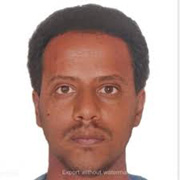
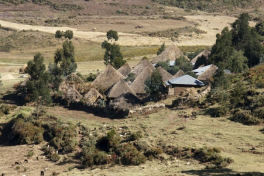
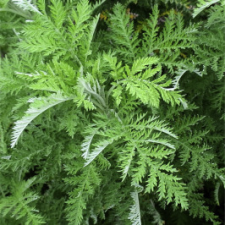
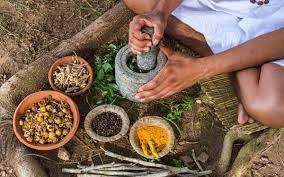
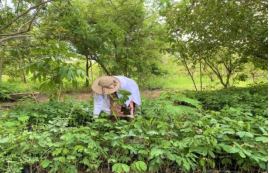



 Share This Article
 Twitter
 Linked In
 Facebook
 Copy
Copy Download
 Email: